Aerobic stabilization and membrane composting
Aerobic stabilization is a key biochemical stage in the treatment of organic waste, such as wastewater sludge, activated sludge, or manure, based on prolonged aeration and oxygen supply.
The main objectives are to oxidize readily biodegradable organic matter, suppress putrefactive processes, reduce waste volume, and prepare the material for safe disposal or further processing.The technology is based on the ability of microorganisms to undergo self-oxidation (endogenous respiration) when readily available organic substrates have been depleted. The process proceeds in two stages:
- Synthesis stage: bacteria actively consume readily biodegradable organic matter, multiply, and increase their biomass.
- Endogenous respiration stage: once the readily available substrate is depleted, continuous aeration causes bacteria to oxidize their own cellular material and dead cells. This results in the mineralization of organic matter into carbon dioxide (CO₂), water (H₂O), and ammonium/nitrate nitrogen.
- The process is exothermic: the heat released during biological oxidation helps maintain an elevated temperature within the reactor.
Industrial practice generally employs two main operating modes:
1. Mesophilic Stabilization (15–30 °C)
The process takes place in open or enclosed tanks, such as aerobic stabilization basins. It requires a relatively long retention time — typically 2 to 12 days, depending on the type and characteristics of the sludge. Important: this operating mode does not guarantee complete inactivation of helminth eggs. It primarily reduces the overall pathogenic load, typically by approximately 70–90%.
2. Thermophilic Stabilization — ATAD (55–65 °C)
Thermophilic stabilization is carried out in sealed, thermally insulated reactors.The elevated temperature is generated by the heat released by microorganisms during biological oxidation, making the process autothermal.
Advantages:
- process duration can be reduced to approximately 5–7 days;
- at temperatures above 55 °C, effective sanitation is achieved;
- pathogenic microorganisms, viruses, and helminth eggs are inactivated.
| Criterion | Aerobic Stabilization | Anaerobic Digestion |
| Oxygen availability | Required | Strictly absent |
| Main end products | Stabilized sludge, CO₂, H₂O | Biogas (methane + CO₂) and digestate |
| Capital costs | Relatively low | High |
| Operating costs | High — significant electricity consumption for aeration | Lower — energy can be recovered from biogas |
| Sensitivity to toxic compounds | Relatively low | High |
| Further processing | Membrane composting | Biogas recovery and digestate treatment |
Membrane Composting
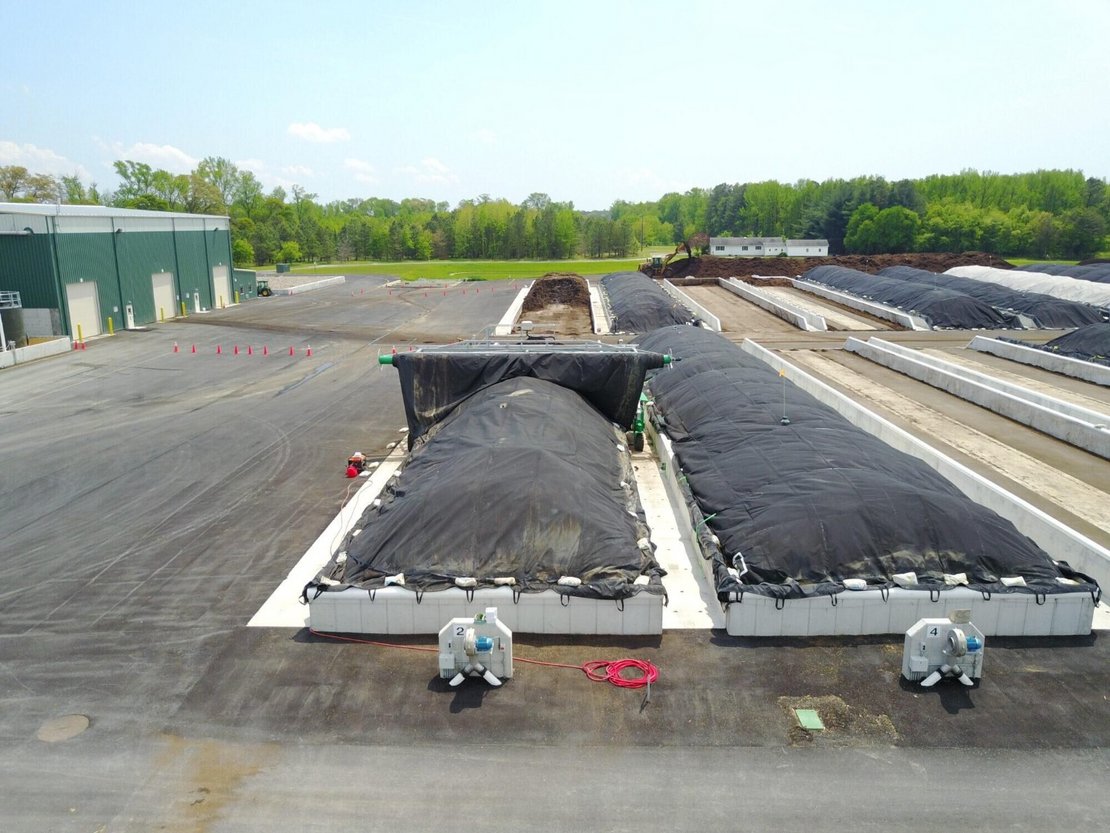
Dewatered sludge (sludge cake) obtained after aerobic stabilization is well suited as a feedstock for the final treatment stage — membrane composting. This method is based on Aerated Static Pile (ASP) technology with a semi-permeable membrane cover and makes it possible to transform stabilized sludge into a usable soil amendment or engineered soil product.
Comparison of Modular and Permanent Systems:
1. Enclosed Concrete Basins
- A permanent solution designed for large-scale facilities with a stable and predictable waste stream, such as major municipal wastewater treatment plants.
- These systems offer efficient use of available space and a long service life, but require substantial construction work and typically have a construction period of approximately 6–12 months.
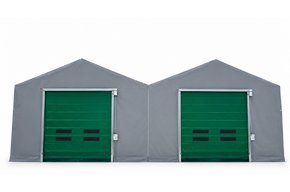
2. Modular Membrane Systems - a flexible solution for medium-sized facilities and seasonal operations.
Key advantages include:
- rapid installation — approximately 2–4 weeks;
- easy capacity expansion and modular scalability;
- no need for complex reinforced-concrete structures;
- installation can be carried out on a properly prepared, level concrete slab.
Membrane Operating Principle — ePTFE
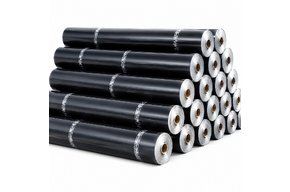
A key element of both system configurations is a three-layer semi-permeable membrane based on expanded polytetrafluoroethylene (ePTFE).
- Odor Control
The inner layer of the membrane contains microscopic pores that are approximately 20,000 times smaller than a water droplet. Odorous compounds such as ammonia and hydrogen sulfide dissolve in the condensate formed on the membrane surface and flow back into the composting pile, where they can undergo further biological degradation.This design can retain up to 99% of odors without the use of conventional biofilters.
2. Gas Exchange
The membrane pores are sufficiently large to allow water vapor and carbon dioxide (CO₂) to pass through while preventing the uncontrolled release of larger particles and aerosols. This enables gaseous products of decomposition to escape without creating excessive pressure inside the pile.
3. Thermal Effect
The membrane acts as a thermal barrier, retaining heat generated by microbial activity. This promotes rapid transition to and maintenance of the thermophilic range of 55–65 °C, even at ambient temperatures as low as approximately −30 °C.
Process Cycle
- Conditioning - the dewatered sludge is mixed with a bulking or structural agent, such as wood chips or straw, to increase porosity and ensure adequate air permeability.
- Covering and Monitoring - the composting pile is covered with the semi-permeable membrane. Temperature and oxygen sensors are installed inside the pile to continuously monitor the process conditions.
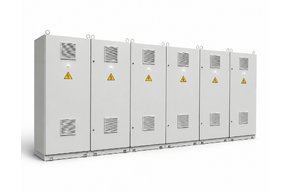
- Active Aeration — 14–28 Days. An automated control system, typically integrated with SCADA, supplies air from the bottom of the pile upward. The aeration rate is automatically adjusted based on sensor readings. Thermophilic temperatures are reached and maintained within the pile, providing the conditions required for effective sanitation.
- Unloading and Maturation - after completion of the active composting phase, the membrane is removed.The stabilized material is transferred to an open maturation area, where it undergoes further biological stabilization and maturation before becoming a finished compost or soil amendment.